Ooni vs Solo Stove Pizza Oven: Which Is Better? (October 2026)
For an Ooni vs Solo Stove pizza oven comparison, choose the Koda 2 for its specified 14-inch stone and thicker-stone heat retention, or the Pi Prime for its wide opening and front-facing heat control. Both run on propane outdoors.
On this page (9 sections)
- Ooni vs Solo Stove pizza oven: which is better for you?
- How do their cooking spaces compare?
- Which oven heats up faster?
- How do fuel and setup differ?
- Which oven is easier to control while cooking?
- What should you consider for travel and storage?
- What setup and cooking mistakes should you avoid?
- Who should buy each pizza oven?
- Which pizza oven should you choose?
In the Ooni vs Solo Stove pizza oven matchup, choose the Koda 2 for its specified 14-inch stone and thicker-stone heat retention, or the Pi Prime for its wide opening and front-facing heat control. Both are portable propane ovens for outdoor cooking.
The deciding factors are the cooking surface you can confirm, how you like to watch and adjust a bake, and the space and fuel setup you have. The Pi Prime has a claimed 15-minute preheat, while Ooni emphasizes stone heat retention between pizzas.
We compared the ovens by the features that change daily use: workspace, heat management, setup and storage. Neither choice makes sense if propane is not practical where you cook.


Ooni vs Solo Stove pizza oven: which is better for you?
The Koda 2 fits cooks who want a specified 14-inch stone; the Pi Prime fits cooks who prioritize a wide opening and front-facing heat control. Both use propane and are intended for outdoor cooking.
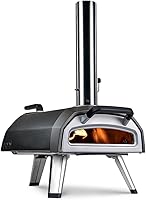
Choose the Koda 2 if you want a known stone diameter, room to maneuver a pizza, and a stone designed to hold heat during a run of back-to-back cooks. It weighs 35.3 pounds, so portability is a real feature, though you should still plan how to lift and store it.
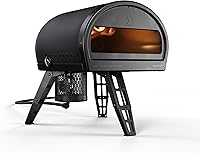
Choose the Pi Prime if seeing the pizza through a panoramic opening and adjusting the flame from the front are more useful to you than a published stone diameter. Solo Stove describes it as compact and lightweight, but the oven's dimensions still deserve a check against your counter or storage area.
If you need to use natural gas, skip the Koda 2 Propane. Its connection is for propane only, and it is not compatible with natural gas.
For a broader look at fuel tradeoffs, see our guide to the best fuel for a pizza oven. The Koda 2 and Pi Prime are both propane choices, so that guide can help you decide whether propane fits your cooking routine at all.
How do their cooking spaces compare?
The Koda 2 has a stated 14-inch stone, while the Pi Prime is described with a wide opening. Those measurements describe different parts of the ovens, so the opening does not guarantee the Pi Prime's stone size.
A 14-inch stone gives you room to maneuver a pizza while cooking. It can be helpful when you prefer a larger pie, but the dough, peel and oven opening all need to work together.
Solo Stove highlights the Pi Prime's wide opening for monitoring and quick turns. That view can be useful during a fast bake, but it is not a substitute for knowing the stone's diameter when cooking capacity is your main concern.
Ooni vs Solo Stove pizza oven: does the 14-inch stone matter?
The Koda 2's 14-inch stone matters if you want a defined cooking area and room to move a pizza. Match that space to your usual dough size and peel before deciding.
A bigger stone can feel less cramped when you need to rotate a pizza, but it does not remove the need to watch the crust and reposition it as needed. Your peel should be narrow enough to enter the oven while supporting the pizza.
Our guide to choosing between a 12-inch and 16-inch pizza oven explains how oven size affects workspace and serving plans. Measure the placement area too, because an oven that fits your pizza still needs a stable outdoor surface.
Ooni vs Solo Stove pizza oven: what does the Pi Prime opening help with?
The Pi Prime's wide panoramic opening helps you see the pizza and make quick turns. It does not tell you how large the stone is.
A clear view can make it easier to catch uneven browning before a crust goes too far. Keep a peel close so you can turn or remove the pizza without leaving the oven unattended.
If stone diameter is the deciding point, confirm it for the exact Pi Prime model before buying. Avoid treating the opening measurement as the usable cooking area.
Which oven heats up faster?
Solo Stove says the Pi Prime preheats in 15 minutes and can cook pizza in as little as 90 seconds. Ooni emphasizes the Koda 2's heat retention and reduced reheat time between back-to-back cooks rather than giving a preheat time.
These claims describe different parts of a cooking session. Preheat time concerns getting started, while heat retention can matter after the first pizza when you are cooking several in a row.
Ooni says the Koda 2's thicker stone retains heat better and reduces reheat time between back-to-back cooks. Its tapered flame burner system is designed to distribute heat more evenly.
Solo Stove describes the Pi Prime's demi-dome heating as distributing heat and says the oven reaches up to 900°F. Treat the brand's timing as a guide, since dough thickness, toppings and outdoor conditions affect the pace of a cook.
For more context, read our guide to how hot a pizza oven gets. Temperature is one part of a bake; you still need to observe the crust and turn the pizza as needed.
How do fuel and setup differ?
Both ovens use propane, but the Koda 2 is explicitly incompatible with natural gas. Check your fuel source, connection and cooking location before choosing either one.
The Koda 2 includes a gas hose and a 28 mBar regulator. Make sure your propane bottle and connection suit that setup, and follow Ooni's instructions when connecting and operating the oven.
Solo Stove describes the Pi Prime as propane fueled and puts its flame control at the front. The supplied product details don't specify a regulator, so check the setup requirements for your location before ordering.
Set either oven on a stable, suitable outdoor surface with room to work around it. Follow the model's instructions for fuel connections, clearance and operation, and keep the cooking area organized before lighting it.
Our guide to outdoor pizza oven fuel, size and setup covers the practical checks to make before your first cook. If you want another propane comparison, see the best propane pizza ovens.
Which oven is easier to control while cooking?
The Pi Prime has front-facing temperature control; the Koda 2 uses knob control and a tapered flame burner. Choose the layout that suits how you want to adjust heat and watch the pizza.
The Pi Prime's front control lets you adjust flame and heat levels from the front of the oven. Its panoramic opening gives you a view of the pizza while it bakes.
The Koda 2's G2 Gas Technology uses a tapered flame burner system designed for better heat distribution. Ooni pairs that burner with knob control, giving you a direct way to adjust the gas.
Neither control removes the need for attention during a quick bake. Have your peel ready and watch the crust closely instead of relying on a single advertised cooking time.
What should you consider for travel and storage?
The Koda 2 has a stated weight of 35.3 pounds; the Pi Prime is described as compact and lightweight without a published weight figure here. Compare the dimensions with your storage space and think through how you'll lift the oven.
The Koda 2 measures 21.5 inches deep, 13.1 inches wide and 28.4 inches high. Its weight and measurements can help with planning, but leave room for the propane connection and safe operation.
The Pi Prime measures 20.5 inches deep, 20.5 inches wide and 15.13 inches high. Its wider footprint may matter on a narrow table, even though Solo Stove describes the oven as portable.
For occasional travel, consider the whole setup: oven, propane bottle, peel and a stable place to cook. A portable oven is only convenient if you can transport and set up the fuel and cooking surface comfortably.
What setup and cooking mistakes should you avoid?
Most avoidable problems come from choosing the wrong fuel, crowding the work area or rushing a bake. Plan the location and tools before lighting either oven.
First, don't assume a gas connection is interchangeable. The Koda 2 is propane only, so natural gas users should rule it out rather than trying to adapt the connection.
Next, don't judge capacity by the Pi Prime's opening alone. The opening helps with visibility and turns, but you should confirm the stone dimensions if the size of your pizza is central to the decision.
Give the oven room on a stable surface and keep the propane setup within the manufacturer's directions. Set out your peel and ingredients before cooking, since a fast bake leaves little time to search for tools.
Finally, don't leave a pizza unattended because a brand gives a short cooking time. Check the crust, turn it when needed, and use the oven's controls to adjust the flame as you learn how your dough and toppings behave.
Who should buy each pizza oven?
Buy the Koda 2 if the 14-inch stone and heat retention suit your cooking; buy the Pi Prime if its opening and front control fit your priorities. Skip either if propane does not fit your outdoor setup.
The Koda 2 is the clearer choice for cooks who want a stated 14-inch cooking surface and expect to cook several pizzas in a session. Its thicker stone is designed to retain heat and cut reheat time between back-to-back cooks.
The Pi Prime is a strong fit if you value a broad view of the pizza, quick turns and front-access flame adjustment. Its claimed 15-minute preheat may also appeal if getting started quickly matters, while the stone diameter remains something to confirm.
Skip the Koda 2 if you need natural-gas compatibility or don't want to handle a propane bottle. Skip the Pi Prime if you need a confirmed stone measurement before buying and cannot verify that detail for the exact model.
Which pizza oven should you choose?
Choose the Koda 2 for its specified 14-inch stone and thicker stone designed to retain heat; choose the Pi Prime for its wide opening, front control and stated 15-minute preheat. The Ooni vs Solo Stove pizza oven decision comes down to cooking space, visibility and your propane setup.
Pick Ooni when you want a known stone size and plan to cook pizzas back to back. Pick Solo Stove when a panoramic view and front-facing heat control matter more than a published stone diameter.
For another comparison point, read our guide to the best propane pizza ovens.
Frequently asked questions
Is the Ooni Koda 2 or Solo Stove Pi Prime better?
The Ooni Koda 2 Propane is a better fit if you want a specified 14-inch stone and thicker-stone heat retention for back-to-back cooking. The Solo Stove Pi Prime suits you if its wide opening and front-facing temperature control matter more.
Both use propane.
How fast does the Solo Stove Pi Prime heat up?
Solo Stove says the Pi Prime preheats in 15 minutes and can cook pizza in as little as 90 seconds. Those are brand claims, not a guarantee for every setup or recipe.
Allow time to learn how your dough and toppings cook.
Can the Ooni Koda 2 Propane use natural gas?
No. The Koda 2 Propane is for propane only and comes with a 28 mBar regulator and gas hose.
It isn't compatible with natural gas, so check your fuel setup before choosing it.
Which oven has a bigger cooking surface?
The Ooni Koda 2 Propane has a specified 14-inch pizza stone. The Pi Prime has a wide opening, but that measurement describes the opening, not the stone, so it isn't enough to compare the ovens' cooking surfaces.
Is the Solo Stove Pi Prime portable?
Yes, Solo Stove describes the Pi Prime as compact, lightweight and portable for outdoor kitchens and on-the-go use. The Ooni Koda 2 Propane is also described as portable and weighs 35.3 pounds.
Compare dimensions and lifting needs with your storage and travel plans.