Best Fuel for a Pizza Oven: Gas, Wood or Pellet?
The best fuel for a pizza oven depends on how you cook: gas offers easy heat control, wood and charcoal bring a live fire, and electric avoids flame. Match the oven’s approved fuel to your space, power access and willingness to tend the heat.
On this page (8 sections)
- Which pizza oven fuel is easiest to control?
- Is wood or charcoal the best fuel for a pizza oven?
- Which wood fuel fits a compact pizza oven?
- Are pellets a good fuel for a pizza oven?
- Can an electric pizza oven work outdoors?
- How do setup and cleanup change with the fuel?
- What mistakes should you avoid when choosing pizza oven fuel?
- How should you choose the best fuel for a pizza oven?
The best fuel for a pizza oven depends on where you cook and how much attention you want to give the heat. Gas gives you burner control, wood and charcoal need a managed fire, pellets fit ovens built for them, and electric models trade fuel handling for power access.
For a simple backyard routine, gas is an easy place to start. Choose wood or charcoal if building and tending a fire is part of the appeal, and consider electric if you want outdoor cooking without a live flame.
Fuel affects setup, flavor, cleanup and how you manage a cook. Start with the oven’s approved fuel, then decide which routine fits your space and habits.
Our outdoor pizza oven guide covers the bigger choices around placement, size and setup.
Which pizza oven fuel is easiest to control?
Gas is usually easiest to manage because you adjust the burner instead of adding fuel by hand. You still need a compatible oven, the correct gas supply and the connection specified for that model.
Gas suits cooks who would rather focus on dough and toppings than keep feeding a fire. A control knob lets you adjust heat as you learn how your oven browns the base and top.
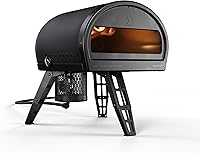
The Koda 2 is for propane only, not natural gas. Before buying any gas oven, confirm its fuel type, regulator and connection requirements rather than assuming that a bottle or household gas line will fit.
Gas does not add wood smoke flavor, and burner control does not mean you can ignore the pizza. Check the pie as it cooks and turn it when the oven design and your recipe call for it.
Choose gas if you value an adjustable flame and are comfortable handling a propane bottle. Skip it if your preferred cooking spot cannot accommodate the required fuel connection or if you specifically want the routine and flavor of a wood fire.
For more models built around propane, see our guide to the best propane pizza ovens.
Is wood or charcoal the best fuel for a pizza oven?
Wood or charcoal suits you if you want a live fire and are willing to manage fuel and ash. It takes more attention than turning a gas knob, but the fire-led routine can be part of the enjoyment.
Wood can give food a light smoky note. That flavor depends on the fuel and the way you run the fire, so it is not automatically better than gas; use the oven’s instructions to keep the fire suitable for cooking.
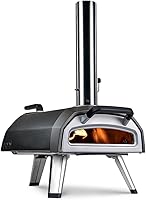
The Karu 2 gives you a choice between wood or charcoal and propane with its separate gas burner. It suits households that enjoy fire cooking but want a gas option available for other sessions.
Its borosilicate glass door, integrated thermometer and airflow management system are useful design features for cooks who want to see and monitor the oven while managing a fire. It is built for 12 in pizzas and can reach 950°F; the brand says it can reach cooking temperature in as little as 15 minutes.
Use only the fuels and setup approved for your oven. Follow its directions for ventilation, lighting and operation, and leave room to handle hot fuel safely.
Choose a wood or charcoal model if you like tending a fire and have a suitable outdoor spot. Skip it if your priority is minimal fuel handling, or if ash and storing firewood would be a nuisance.
Which wood fuel fits a compact pizza oven?
Small logs can suit a mini oven when their size matches its fuel tray. A piece that looks compact may still be wrong for your oven, so check the oven’s instructions and dimensions before stocking up.
These kiln-dried oak logs come in an approximately 12 lb pack. The brand describes them as USDA certified kiln-dried wood, and the logs are also intended for grilling and smoking.
Choose them if your oven accepts small oak logs and you want wood flavor without cutting larger pieces down. Skip them if your oven uses pellets, requires a different log size or is designed for gas or electric heat.
Store wood in a dry place and keep it away from moisture that could make it harder to light. Add only the amount your oven’s instructions call for, since overloading a small fuel tray can make heat harder to manage.
Wood needs a storage spot and leaves ash to clear after the oven has cooled. If you want a live fire but would rather use smaller pieces, check whether a pellet oven fits your routine; pellets still require a compatible oven and fire management.
Read how pellet pizza ovens work before choosing between pellets and logs.
Are pellets a good fuel for a pizza oven?
Pellets are a practical choice only for an oven designed to burn them. They’re small and easy to portion, but they still need a managed fire, compatible fuel and attention during cooking.
Pellet ovens may suit you if you want to store compact wood fuel and add it in small amounts. During a longer cooking session, you may need to reload according to the oven’s directions.
Don’t assume pellets fit an oven that burns logs. Check the manual for the fuel type, size, loading method and airflow instructions, and use cooking pellets rather than fuel intended for home heating.
Choose pellets if you’re comfortable maintaining a fire and want small, portionable wood fuel. Skip them if you want a simple knob-controlled burner or no live flame; gas and electric models better match those priorities.
Can an electric pizza oven work outdoors?
Electric heat is a good fit when you want to cook outdoors without a live flame. It replaces fuel handling with an electrical setup, so make sure the cooking spot has suitable power and follows the oven’s outdoor-use guidance.
The Ninja Artisan MO201 uses corded electric power and has temperature control from 90°F to 700°F. Its five pizza settings cover Neapolitan, thin crust, pan, New York and custom styles, and it can also bake, broil, warm and proof.
The Ninja is sized for a 12 in pizza and includes a 12 by 12 in pizza stone and baking pan. The brand describes its pizza setting as a 3 minute cook at 700°F, excluding an 18 minute preheat, and says no turning is needed for that setting.
Choose electric if you have a suitable outdoor power setup and want temperature controls without tending a flame. Skip it if the outlet and placement do not fit the oven’s instructions or if wood smoke is central to the kind of pizza night you want.
Electric avoids ash and the live flame, but it still needs care. Follow the oven’s instructions for placement, weather exposure and cleaning, and keep the electrical connection suitable for the location.
For another view of how heat sources change setup and use, compare gas and electric pizza ovens.
How do setup and cleanup change with the fuel?
Plan setup around the fuel supply, cooking location and the oven’s instructions. A gas bottle, fire fuel or electrical outlet each creates different practical needs before you cook.
For gas, place the oven where its instructions allow, connect only the approved supply and check that the regulator matches the model. Keep the gas supply stable and accessible, and follow the manufacturer’s lighting and shutdown steps.
For wood or charcoal, use a stable outdoor surface with the clearance and ventilation the oven requires. Keep fuel dry and within reach, but away from the hot oven; wait for the fire and oven to cool before handling ash.
For electric, check that the outlet and cord can reach the cooking spot without stretching or crossing a busy path. Follow the oven’s outdoor-use guidance, and protect it from weather as directed.
Cleanup also follows the oven design. Wood and charcoal leave ash, while gas and electric avoid wood ash; all ovens still need the care and stone-cleaning routine their instructions specify.
What mistakes should you avoid when choosing pizza oven fuel?
The biggest mistake is buying fuel before confirming that the oven is designed to use it. Compatibility can vary even among ovens that look similar or belong to the same brand.
Don’t connect a propane-only oven to natural gas or assume a multi-fuel oven includes its gas burner. Check the exact model’s required fuel and accessories before buying or setting it up.
Don’t burn logs, pellets or charcoal unless the oven permits that fuel. Using the wrong size or type can make loading and airflow difficult, and may not suit the oven’s design.
Don’t choose electric solely because it avoids a flame without checking power access and outdoor-use instructions. Likewise, don’t pick wood for flavor if you don’t want to tend a fire or store fuel.
Finally, don’t judge a fuel only by its advertised maximum temperature or cook time. Your setup, preheat, dough and cooking method all affect how a pizza turns out.
How should you choose the best fuel for a pizza oven?
Choose gas for easy heat adjustment, wood or charcoal for a fire-led routine, pellets for compatible ovens and electric for flame-free outdoor cooking. The right match is the one you can set up safely and will enjoy using often.
Pick the Ooni Koda 2 if you want propane and burner control in a portable oven, and you’re comfortable with its propane-only connection. Pick the Ooni Karu 2 if you want wood or charcoal and the option to add a separate propane burner.
Choose the Ninja Artisan MO201 if you want electric controls and several outdoor cooking functions, and you have a suitable power setup. Choose Old Potters mini oak logs only if their size and fuel type match your oven.
If switching between fuels matters, compare multi-fuel pizza ovens. For the wider decision on fuel, placement and oven size, start with our outdoor pizza oven guide.
Frequently asked questions
What is the best fuel for a pizza oven?
Gas is a strong choice if you want simple heat control and less tending. Wood or charcoal suits cooks who want a fire and accept ash cleanup.
Pellets work in ovens designed for them, while electric heat avoids a live flame.
Choose by checking the oven’s approved fuel, your cooking location and the routine you prefer.
Does wood-fired pizza taste different?
Wood can add a light smoky note, but the fire, wood and cooking time all affect flavor. Keep the fire managed so smoke does not overwhelm the food.
Burn only fuel the oven is designed to use.
If you want no smoke flavor and fewer fuel adjustments, a gas or electric oven may suit you better.
Can I use propane in any pizza oven?
No. Use propane only with an oven and burner designed for it, and follow the model’s connection and regulator instructions.
Some ovens accept gas only through a separate burner, while others are made for a specific gas type.
For example, the Ooni Koda 2 is propane-only and is not compatible with natural gas.
Are pellet pizza ovens easier than wood ovens?
Pellets are small pieces of wood that can be easier to portion than logs, but pellet ovens still need fire management and compatible fuel. Check the oven instructions for pellet type, loading and airflow.
If you prefer to avoid feeding a fire, gas or electric may be a better fit.
Is an electric pizza oven a good choice outdoors?
An outdoor electric oven can suit you if you have appropriate power access and want temperature controls without a live flame. Check its outdoor-use guidance and follow its electrical instructions.
Electric heat avoids ash and wood smoke, but the oven’s temperature range and cooking pace may differ from a flame oven.