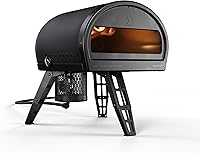
Outdoor Pizza Oven: Fuel, Size and Setup
Choose an outdoor pizza oven by fuel, cooking space and setup: gas suits cooks who want propane, while wood and pellets call for tending. Check pizza size and placement before buying.
On this page (8 sections)
- Which outdoor pizza oven fuel should you choose?
- What size outdoor pizza oven fits your pizzas?
- How much space does an outdoor pizza oven need?
- Which oven suits your cooking style?
- How do you set up an outdoor pizza oven?
- What mistakes make outdoor pizza cooking harder?
- What should you check before buying an outdoor pizza oven?
- Which outdoor pizza oven should you choose?
An outdoor pizza oven makes sense when you have a safe outdoor cooking spot and want faster, hotter pizza cooking than a standard grill setup usually provides. Choose by fuel first, then match the oven's cooking space and footprint to your meals and patio.
A propane oven suits cooks who value a steady fuel option. Wood and pellet ovens ask for more attention during a cook, while a grill top kit can be a practical choice if you already own a compatible grill.
This guide compares fuel types, pizza sizes, setup needs and four options for different outdoor routines. For more models and advice, start with our backyard pizza oven guides.
Which outdoor pizza oven fuel should you choose?
Choose fuel based on how much tending you want to do and which setup you already have. Propane offers a gas-fired option, wood and pellets involve managing solid fuel, and a grill top kit uses a compatible grill.
| Fuel | Good fit if you want | Consider before buying |
|---|---|---|
| Propane gas | A propane-fueled cooking option | A burner may be sold separately |
| Wood | A wood-fired cooking setup | Check which fuels the oven supports |
| Pellets | A pellet-fueled oven | Use dry, all-natural hardwood pellets with the Big Horn |
| Grill heat | To cook on an existing grill | The Cuisinart kit works with gas, charcoal or pellet grills |
| Multi-fuel | A choice of cooking methods | Confirm which fuels and burner attachments come with the oven |
“Multi-fuel” does not mean every fuel setup is ready to use as sold. The Ooni Karu 2 uses wood or charcoal, and its propane burner is separate; the Big Horn uses pellets, while its gas and electric attachments are separate purchases.
For a deeper comparison of flame control, fuel handling and the trade-offs of each option, read our best fuel for a pizza oven guide.
Is gas or wood better for an outdoor pizza oven?
Gas suits cooks who want to use propane, while wood suits cooks who are comfortable managing a fire. Consider how involved you want pizza night to be, along with the flavor and fuel options you prefer.
The Ooni Karu 2 accepts wood or charcoal, with a separate propane burner available. The Gozney Roccbox is gas-fueled and has an optional wood burner attachment.
Pellet cooking also uses solid fuel, though pellets are fed into an oven differently from logs or charcoal. The Big Horn is built around pellet use, and its gas and electric burner attachments are sold separately.
A second fuel option is useful only if you want to use it and have the matching attachment. Before choosing a multi-fuel oven, check what is included and what you would need to add.
What does a grill top pizza oven do?
A grill top oven uses a compatible outdoor grill as its heat source. It can suit you if a grill is already part of your cooking setup and you would rather add a compact oven kit than store a separate freestanding model.
The Cuisinart kit works with gas, charcoal or pellet grills. Its cordierite stone holds heat, reflective stainless steel sides help direct heat toward the toppings, and the kit includes a 12 in aluminum peel with a foldable wooden handle.
The kit measures 16.3 by 14 by 4.75 in, so compare its footprint with the usable area of your grill. It reaches up to 800°F and is described as cooking pizza in 5 to 7 minutes.
This kit is a poor fit if you do not have a compatible grill or want a dedicated oven that can stand on its own. It also ties pizza cooking to the grill, so consider whether you will want to use that grill for other food at the same time.
What size outdoor pizza oven fits your pizzas?
Choose an oven based on the pizza diameter you want to make and how many pies you plan to cook in a row. A 12 in oven suits smaller pizzas, while a larger cooking surface gives you room for bigger pies.
The Ooni Karu 2 is sized for 12 in pizzas. The Gozney Roccbox is described as making 12 in pizzas, and the Big Horn has a square stone measuring 12 by 12 in.
A 12 in limit can be fine for personal pies and small batches, but it may mean more rounds when you are feeding a group. Measure the usable stone and opening rather than relying on the outside width of the oven.
A larger oven can give you more room for a bigger pizza, but it also takes up more space and may need a larger table or cart. Think about where dough, toppings and finished pizzas will sit as well as the oven itself.
Use our 12 inch vs 16 inch pizza oven guide to compare cooking space and the footprint trade-off. If temperature is part of your decision, see how hot a pizza oven gets.
Will a 12 inch pizza oven keep up with a group?
A 12 in oven can serve a group if you are happy to cook several smaller pizzas in sequence. It is less suited to a plan built around one large pie or serving every person at the same moment.
Plan for the group you cook for most often. Smaller pies can be easy to share with a couple or a few people, but a larger gathering may call for more prep space, a bigger cooking surface or a helper who can shape dough while you tend the oven.
The Ooni Karu 2 and Gozney Roccbox are described as cooking pizza in 60 seconds, while the Big Horn is described as cooking pizza in 60 to 90 seconds. Those are oven claims, not a guarantee of the time for every recipe or cook.
Allow time for the oven and stone to heat before the first pie. You will also need to turn pizzas as they cook, bring the next one to the launch area and let the stone recover heat between pies if needed.
If your gatherings often involve different pizza sizes, choose the oven around the largest pie you actually plan to make. A stone that is too small can turn a simple menu into repeated trimming, smaller dough rounds or extra batches.
How much space does an outdoor pizza oven need?
Measure the oven, the supporting surface and the room you need to work safely around it. A usable setup needs a stable base, access to fuel and space for dough, a peel and hot food.
Before buying, check:
- The oven's outside dimensions, including legs and any handles.
- The surface's stability and weight capacity.
- The placement and clearance instructions for the model.
- Room to set down a peel, dough and toppings within reach.
- A suitable place for propane or solid fuel.
- A route around the oven that keeps people away from its hot area.
The Ooni Karu 2 measures 29 by 16 by 28 in and weighs 15.3 kg. The Big Horn measures 21.6 by 14 by 28 in and weighs 11.3 kg, while the Roccbox weighs 21.98 kg.
Those weights matter if you plan to move an oven after every cook. A lighter model may be easier to shift, but you still need a safe place to cool it and a storage spot that fits its size.
A tabletop footprint alone does not show whether a station will be comfortable. You need room to load a pizza, turn it, remove it and set it down without reaching across the flame or balancing food on an unstable surface.
Mark the intended footprint with tape before you commit to a table or cart. Then stand where you will cook and check that you can reach the fuel, peel and prep area without squeezing past other people.
Use the oven outdoors as its instructions specify. Keep children and pets away from the cooking area, and let the oven cool before moving it or covering it.
For a stable base and extra prep room, compare options in our outdoor pizza oven table guide.
Can you leave an outdoor pizza oven outside?
Follow the oven's storage instructions and protect it from weather when it is not in use. An oven designed for outdoor cooking should not automatically be treated as safe to leave exposed all year.
Plan for storage before the first cook. A covered, dry spot can help keep debris and moisture away from the oven, but follow the brand's directions for the oven, stone and any separate fuel attachments.
If you intend to bring the oven indoors after use, consider its weight, dimensions and route through the house. Wait until it is fully cool, and avoid moving it through a busy walkway while it is still hot.
Fuel needs its own storage plan. The Big Horn calls for all-natural hardwood pellets and says to keep them in an airtight container, because pellets can absorb moisture when left open.
Which oven suits your cooking style?
The best fit depends on whether you want fuel flexibility, a gas-first routine, pellet cooking or a way to use your current grill. Each option has a clear reason to choose it and a reason to pass.
Ooni Karu 2: best for fuel flexibility
Choose the Ooni Karu 2 if you want wood or charcoal as standard fuel and may want propane as a separate option. It is sized for 12 in pizzas, reaches a stated maximum of 950°F and is described as reaching cooking temperature in as little as 15 minutes.
Its borosilicate glass door, integrated thermometer and airflow system give you useful details to work with while cooking. The oven is described as portable, which may suit someone who wants to move it between a garden and an outdoor trip.
Skip it if you want propane ready without buying another attachment, or if a 12 in pizza surface feels too limiting. The separate burner also means you should account for the cost and storage of an additional part before choosing the gas route.
Gozney Roccbox: best for a gas-first routine
Choose the Gozney Roccbox if you want a portable gas oven and the option of adding a wood burner. It has a low-profile design and is described as reaching 950°F and cooking 12 in pizzas in 60 seconds.
Its compact format may fit a patio or a trip where you want an oven that can move with you. The optional wood burner offers another way to cook, but the standard setup is gas.
Skip it if you want wood-fired cooking without an added burner, or if its 21.98 kg weight makes moving and storing it inconvenient. Its 12 in pizza capacity also calls for smaller pies or multiple rounds for a group.
Big Horn: best for pellet cooks
Choose the Big Horn if you want a 12 in pellet oven and are willing to manage pellet storage and feeding. It is described as reaching up to 1110°F and cooking pizzas in 60 to 90 seconds after a stated 18 to 20 minute warm-up.
The oven has folding legs and is described as weighing 25 lb, which can help if you need to move it between outdoor cooking spots. Gas and electric attachments are available separately for people who want to add those fuel options.
Skip it if you want gas or electric cooking straight away without buying an attachment. Pellet moisture is another practical concern, so keep the fuel in an airtight container and avoid using pellets that have absorbed dampness.
Cuisinart grill top kit: best for existing grill owners
Choose the Cuisinart kit if you already have a compatible gas, charcoal or pellet grill and want a pizza oven accessory. It includes a cordierite stone, a foldable 12 in peel and a thermometer that tracks oven temperature up to 800°F.
The kit's 5 to 7 minute cooking time is slower than the short times described for the freestanding ovens, but it can make sense if avoiding another full-size appliance matters more to you. Its small footprint also makes storage easier to plan than a tall oven with legs.
Skip it if you do not own a compatible grill or want to cook pizza while the grill is being used for something else. It is an accessory that depends on the grill, not a standalone oven.
How do you set up an outdoor pizza oven?
Set the oven on a stable, suitable surface, check the placement instructions, and arrange fuel and prep tools before lighting it. A little planning helps keep the hot cooking area clear and makes launching pizzas easier.
Start with a location that gives the oven the clearance its instructions require. Keep the surface level and steady, and leave enough room to work with the peel without reaching over the flame or bumping into other people.
Set out the ingredients and tools before preheating. Shape the dough, prepare toppings and keep a clear landing spot for the finished pizza so you do not need to leave the oven unattended to find a plate.
For propane models, follow the burner and fuel instructions for the exact setup. For solid-fuel models, have the right fuel ready and keep spare fuel away from the hot cooking area.
The Big Horn's instructions call for natural hardwood pellets and an airtight container. For wood or charcoal setups, use only the fuel supported by the oven and follow its lighting and fuel-loading directions.
Preheat with the stone in place. Let the oven reach the temperature you want before launching the first pizza, and check the stone surface if you use a separate infrared thermometer.
What should you do during the first cook?
Start with a simple pizza and learn how the oven responds before cooking for a crowd. A plain pie with a modest amount of sauce and toppings is easier to turn and less likely to shed ingredients onto the stone.
The Big Horn's cooking guidance says to use little sauce and minimal toppings for Neapolitan-style pizza, then turn the pizza often for even results. That advice also gives a beginner a useful starting point in any small, hot oven.
Keep the peel lightly prepared so the dough can slide, but avoid leaving a topped pizza sitting on it for a long time. Check that the pizza moves freely before you approach the oven.
Watch the crust and toppings rather than relying only on a timer. Short cook times leave little room for distraction, and frequent turning can help the pizza cook more evenly.
If the crust cooks faster than the center, adjust the dough thickness or topping load on the next pizza. The Big Horn's guidance suggests baking a thick crust first, then adding toppings and baking again.
What mistakes make outdoor pizza cooking harder?
Most avoidable problems come from choosing the wrong fuel, crowding the pie or rushing the setup. Match your recipe and routine to the oven, then make small adjustments from one pizza to the next.
- Buying for a rare large gathering: A 12 in oven can mean more rounds than you expect. Choose based on the gatherings you host most often.
- Assuming every burner is included: The Ooni Karu 2 propane burner and Big Horn gas and electric attachments are sold separately. Check the fuel setup before you buy.
- Starting with too many toppings: Heavy toppings can make a small pizza harder to turn and cook evenly. Start with a lighter layer and add more only if your results support it.
- Skipping the preheat: A hot oven does not mean the stone is ready. Give the stone time to warm before launching the first pie.
- Leaving pellets open: Moisture can affect their burn. Store the Big Horn's hardwood pellets in an airtight container.
- Using a cramped table: A surface may hold the oven but leave no room for a peel or finished pizza. Plan the whole work area.
- Expecting the same cook time every time: Oven heat, dough and toppings affect the result. Watch the pizza and turn it as needed.
- Moving the oven while hot: Let it cool fully before storage or relocation, and keep its route clear.
Good tools can make the setup easier, but you do not need to buy every accessory at once. Our pizza oven accessories guide covers useful additions, and how to clean a pizza oven stone explains basic stone care.
What should you check before buying an outdoor pizza oven?
Confirm the fuel, pizza size, included parts, footprint and storage plan before comparing extra features. Those choices determine whether the oven fits your cooking habits and outdoor space.
- Fuel: Decide between propane, wood, pellets or using a compatible grill.
- Parts: Check whether the oven includes a stone, peel or fuel attachment you need.
- Pizza size: Compare the stated pizza size and stone dimensions with your usual recipe.
- Footprint: Measure the oven and the working space around it.
- Portability: Consider its weight and how often you expect to move it.
- Temperature tools: Check for an integrated thermometer and decide whether you want to read the stone separately.
- Storage: Plan where the oven, cover, fuel and attachments will go between cooks.
The Big Horn's gas and electric attachments cost extra and require storage. The Cuisinart kit avoids a separate freestanding oven, but it depends on having a compatible grill.
You may also want to decide whether high heat or a lower, slower cooking routine matters more. Compare the models' stated temperature and warm-up claims, but treat cooking time as a starting point because dough, toppings and the cooking process affect results.
Which outdoor pizza oven should you choose?
Choose the Ooni Karu 2 for wood or charcoal with a separate propane option, the Roccbox for gas-first cooking, the Big Horn for pellets, or the Cuisinart kit if you own a compatible grill. Then make sure the 12 in cooking space and outdoor setup match your usual meals.
The Karu 2 gives you wood and charcoal fuel with a separate propane attachment. The Roccbox is the clearest fit for cooks who want gas as their default and may add wood later.
The Big Horn suits pellet cooks who can keep fuel dry and are comfortable with separate attachments for gas or electric use. The Cuisinart kit fits grill owners who want pizza cooking without adding a standalone oven.
Choose a different size if a 12 in pizza surface will make every gathering feel like a series of small batches. Before buying, compare pizza oven temperatures and plan the table, fuel and prep area so your first cook has room to work.
Frequently asked questions
What fuel is best for an outdoor pizza oven?
The best fuel depends on how you want to cook. Gas suits cooks who want propane, while wood or pellets suit those willing to manage solid fuel and a live fire.
A multi-fuel oven can offer more choice, but check which burners are included and which are sold separately.
Is a 12 inch outdoor pizza oven big enough?
A 12 inch oven can suit personal pizzas and smaller cooking batches, but it limits the size of each pie. If you want larger pizzas or to serve several people quickly, compare the stated pizza size and stone dimensions with the pizzas you plan to make.
See our 12 inch vs 16 inch guide.
Can you use an outdoor pizza oven on a table?
Use a stable, level surface that can support the oven, and follow the model's placement instructions. Measure the full footprint, including legs, and keep the oven outdoors on a surface suitable for its use.
Check the oven's guidance for clearances and placement.
Can a grill become a pizza oven?
Some grill top kits sit on compatible gas, charcoal or pellet grills and use the grill's heat to cook pizza. The Cuisinart grill top kit works with those grill types.
Check your grill's compatibility and follow both manufacturers' instructions for placement and operation.
Do outdoor pizza ovens need a thermometer?
A thermometer can help you judge oven heat, but a built-in reading may not show the stone temperature. The Cuisinart grill top kit has an integrated thermometer that tracks oven temperature up to 800°F.
Consider an infrared thermometer if you want to read the stone surface.