How Pellet Pizza Ovens Work and Who They Suit
A pellet pizza oven burns wood fuel to heat its stone and cooking chamber. Choose one if you want outdoor wood flavor and don’t mind managing the fire, keeping fuel dry, and turning pies in many models.
On this page (10 sections)
- How does a pellet pizza oven work?
- What should you expect when cooking with pellets?
- How do you choose a pellet pizza oven?
- Which pellet pizza oven suits manual turning?
- Who benefits from an auto-rotating stone?
- What fuel should go in the hopper?
- How hot does a pellet pizza oven get?
- How should you set up and care for a pellet oven?
- What mistakes make pellet pizza harder?
- Which pellet pizza oven should you choose?
A pellet pizza oven burns wood fuel to heat its cooking chamber and stone, bringing wood-fired flavor to outdoor pizza sessions. It suits cooks who enjoy managing a small fire and learning when to add fuel or turn a pie.
The best choice depends on the cooking surface you need, how much tending you want to do, and whether you value a thermometer or rotating stone. A compact manual oven keeps the routine direct; an automatic turner reduces one job but adds a moving part.
How does a pellet pizza oven work?
A pellet pizza oven burns fuel in a hopper or feed tray, sending heat into the chamber and across the stone. The stone cooks the base while heat in the chamber cooks the top, so both need time to warm before the first pizza goes in.
Follow the oven manual to light the fuel, manage airflow, and add more as needed. Keep the chimney and vents clear as directed, and use the oven outdoors on a stable surface with the required clearance from walls, overhangs, and anything that can catch fire.
Once the stone is hot, slide in the pizza and watch its progress. Compact ovens can cook quickly, so a thin crust with a modest amount of sauce and toppings is easier to handle than a heavily loaded pie.
What should you expect when cooking with pellets?
Expect to watch the fire, keep fuel dry, and turn the pizza in many models. Unlike an indoor oven with a set temperature, a live fire needs attention as fuel burns and heat shifts.
BIG HORN specifies all-natural hardwood pellets for its pellet mode and advises keeping them in an airtight container because moisture can affect how they burn. Follow the fuel guidance for your oven before trying a different pellet, wood chip, or charcoal.
A peel helps you launch and turn pies without reaching into the chamber. Our guide to pizza oven peels explains the main styles and what to consider before choosing one.
Is a pellet pizza oven a good choice for beginners?
A pellet oven can suit a beginner who is comfortable lighting a small fire and practicing pizza launches. Plan for a learning curve with dough thickness, stone heat, flame strength, and turning; start with one simple pizza before cooking for a group.
Choose another type if you want indoor cooking or thermostat-style control. Our guide to outdoor pizza oven fuel and setup compares the main outdoor formats.
How do you choose a pellet pizza oven?
Choose by fuel rules, cooking surface, turning method, and the gear that comes with the oven. Those factors tell you more about the cooking routine than a maximum temperature alone.
A 12 in surface works for smaller pizzas and a compact setup. If you regularly feed several people, consider whether making pies one at a time will fit your gathering, and compare smaller and larger formats in our guide to 12 inch vs 16 inch pizza ovens.
Then decide whether you want to turn every pie yourself. A rotating stone reduces manual turning, while a manual model avoids the extra mechanism; included items such as a thermometer, peel, cover, or carry bag may also help you get started.
Finally, check where the oven can sit, how you will store dry fuel, and where it can cool after cooking. For a broader comparison of fuel choices, read the best fuel for a pizza oven.
Which pellet pizza oven suits manual turning?
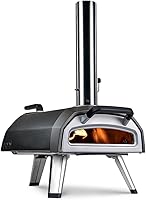
A manual oven suits cooks who want a direct setup and are happy to turn each pizza by hand. The BIG HORN has folding legs, a 12 x 12 in square stone, and separate gas and electric burner attachments for cooks who may want another fuel option later.
The VEVOR has a built-in thermometer and includes a stone, carrying bag, and pellet scoop. Its stated fuel options are pellets, wood chips, and charcoal, so check its manual to confirm the right fuel and operating steps for your cooking plan.
Both options suit people who plan to bake one pizza at a time and turn it during cooking. Browse backyard pizza ovens to compare other outdoor formats.
Who benefits from an auto-rotating stone?
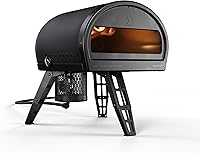
An automatic turner suits cooks who want the pizza to rotate while they focus on watching heat and timing. Mimiuo’s oven includes an auto-rotating stone, plus a peel and cover.
This model is heavier than the compact manual options described here, so account for its weight and dimensions when choosing a spot to use or store it. Its rotating mechanism may also need care: Mimiuo says a few drops of cooking oil on the shaft can help if the stone doesn’t spin smoothly.
If you prefer fewer moving parts, a manual oven is a better fit. Our guide to pizza ovens with rotating stones explains the tradeoff between automatic rotation and turning pies yourself.
What fuel should go in the hopper?
Use only fuel allowed by the oven’s instructions, and keep it dry. BIG HORN specifies all-natural hardwood pellets, while VEVOR says its oven supports pellets, wood chips, and charcoal.
Kona’s pizza blend is made from 100% natural hardwood and is intended for pizza ovens including Big Horn. Confirm that the fuel type and size suit your specific oven before loading it.
Don’t assume that every pellet sold for a grill suits a pizza oven. Store fuel in an airtight container when your oven’s instructions call for it, and follow the manual for lighting, ash removal, and cleaning.
How hot does a pellet pizza oven get?
The temperature depends on the model and how you manage its fire. A hot stone can cook a thin pizza quickly, leaving little time to correct a poor launch or missed turn.
BIG HORN gives a maximum of 1,110°F, VEVOR gives a maximum of 1,000°F, and Mimiuo lists a temperature range of 932°F. These figures don’t tell you the temperature at every point in the oven or on the stone.
A built-in display and the stone surface may show different readings. See how hot a pizza oven gets for guidance on what to measure and why readings can differ.
How should you set up and care for a pellet oven?
Set the oven on a stable outdoor surface and follow the manual for clearance, ventilation, and lighting. Let it cool as instructed before cleaning, storing it, or moving it.
Keep pellets dry and avoid leaving them exposed to damp air. Clear ash and food debris as the manual directs, and keep the chimney and air openings clear so the fire can draw properly.
Before each cook, check that any removable parts are seated correctly and that the oven has room around it. If you use a rotating model, pay attention to whether the stone turns smoothly and follow the brand’s care guidance if it slows.
What mistakes make pellet pizza harder?
The most common mistakes are loading wet or unapproved fuel, rushing the stone preheat, and putting too much topping on a small pizza. Each can make it harder to get an even bake.
Use the oven’s fuel guidance, give the stone time to warm, and start with a thin layer of sauce and a light hand with toppings. Turn the pizza often in a manual model, and keep the peel ready before opening the chamber.
Avoid treating the temperature display as a full picture of the bake. Watch the crust and top as well, since the stone and chamber may not heat evenly.
Which pellet pizza oven should you choose?
Choose the BIG HORN if you want a compact manual oven with folding legs and the option to add separate gas or electric attachments. Choose VEVOR if a built-in thermometer and carry bag matter most, or Mimiuo if automatic rotation is the feature you want.
Pick Kona’s hardwood blend only when its fuel type suits your oven’s instructions. For any model, the best fit is the one whose size, fuel routine, and care needs match how you plan to cook outdoors.
Start with our outdoor pizza oven guide to compare fuel, size, and setup before you decide.
Frequently asked questions
How does a pellet pizza oven work?
A pellet pizza oven burns fuel in a hopper or feed tray, sending heat into the cooking chamber and stone. Add fuel as needed, preheat the stone, and turn the pizza as it cooks unless the oven has an automatic rotating stone.
Are pellet pizza ovens hard to use?
They take attention because you need to light and feed the fire, watch the heat, and turn the pizza in many models. A built-in thermometer or rotating stone can reduce some of that work, but you still need to learn how your oven responds.
Can you use regular wood pellets in a pizza oven?
Use only fuel approved for your oven. BIG HORN specifies all-natural hardwood pellets for pellet mode, while VEVOR says its oven supports pellets, wood chips, and charcoal.
Do pellet pizza ovens need electricity?
Power needs vary by model. Mimiuo describes an auto-rotating stone, while BIG HORN’s gas burner and electric heating element are separate attachments.