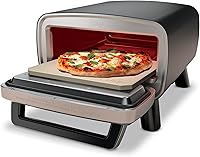
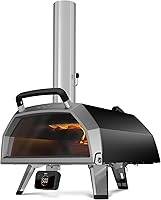
How to Use a Solo Stove Pizza Oven
Here's how to use a Solo Stove pizza oven: set it on a heat-safe surface, light the burner as the manual directs, and let the stone heat fully before you launch a pie. Cook one pizza at a time, turn it often, and let the oven cool before you move or cover it.
On this page (9 sections)
- What should you set up before you light a Solo Stove pizza oven?
- How do you light the burner safely?
- How long should the stone heat before the first pizza?
- How do you launch and turn the pizza?
- How do you clean the stone between pizzas?
- How do you shut down and store the oven?
- Should you put the Solo Stove pizza oven on a cart?
- What mistakes should you avoid on the first cook?
- The short version of how to use a Solo Stove pizza oven
Here's how to use a Solo Stove pizza oven: set it on a heat-safe surface, light the burner as the manual directs, and let the stone heat fully before you launch a pie. Cook one pizza at a time, turn it often, and let the oven cool before you move or cover it.
The oven rewards a little setup. Get the surface, fuel and tools sorted first, then focus on dough and heat.
What should you set up before you light a Solo Stove pizza oven?
Clear a level, heat-safe spot outdoors and keep the oven away from walls, railings and anything that can burn. Read the manual's clearance distances before the first cook and follow them exactly.
Set the oven on a stable surface at a comfortable working height. A dedicated cart helps here, since lifting a hot oven onto a table mid-session is a bad idea.
Have your peel, a turning tool, oven gloves and a wire brush within reach. A thermometer that reads the stone is the single most useful extra, because it tells you when to launch.
Keep kids and pets back from the front opening. Wind is the other thing to plan for: a breezy spot can slow the heat-up and cool the stone between pies.
How do you light the burner safely?
Open the fuel valve slightly, ignite as the maker instructs, then adjust the flame to the level the manual recommends. Never lean over the opening while lighting, and keep your face and hands clear.
For the wood-burning model, build a small fire with dry kindling and let it catch before adding larger splits. For the gas model, follow the maker's ignition sequence and confirm the flame is stable before you walk away from the controls.
Give the oven time to settle into a steady burn. A roaring, flaring flame looks impressive but heats unevenly and wastes fuel.
Close the door once the fire is established and let the oven come up to temperature with the door shut. Check the stone with your thermometer rather than guessing from the flame.
Do you need a cart for the fuel?
The Pi Dual Fuel runs on gas, so the tank has to live somewhere close at hand. The Solo Stove Pi oven cart keeps the tank mobile behind a magnet-secured fabric panel that is fire and weather resistant.
That means you roll the fuel and the oven out together instead of carrying a tank across the patio each time.
How long should the stone heat before the first pizza?
Plan on roughly 15 to 20 minutes, then trust the stone reading over the clock. A fully heated stone cooks the base fast, which is what gives you a crisp crust instead of a pale, chewy one.
The Gozney infrared thermometer reads surface temperature without touching the stone. Point it at the center and a few spots around the edge to check for even heat.
Aim for the stone temperature your manual recommends for the style of pizza you're making. If the center is hot but the edges lag, give it a few more minutes with the door closed.
Don't launch a pie onto a cool stone. The dough will sit and dry out before the base sets, and the toppings will overcook while the bottom stays pale.
How do you launch and turn the pizza?
Flour the peel lightly, slide the pie on, and launch it with a quick forward push and short backward pull. Get the pie centered so it cooks evenly.
Keep the dough moving before it goes in. A peel that sticks will dump the pie onto the stone in a heap, so give it a small shake to confirm the base slides freely.
Once the pie is in, close the door and let the base set for a short count before you check it. Then turn the pizza regularly with a turning peel so the rim browns evenly on all sides.
Cook times are short in these ovens, so watch closely. A pie can go from perfect to charred in less time than it takes to fetch a topping.
How do you stop the crust burning on one side?
Turn the pie more often and dial the flame down a notch if the rim is darkening too fast. Uneven browning usually means the stone or the flame is hotter on one side.
Rotate the pizza a quarter turn at each check rather than leaving it in one spot. If the back edge chars while the front stays pale, move the pie to a cooler spot in the oven.
How do you clean the stone between pizzas?
Brush off loose flour and ash after each pie once the stone has cooled enough for the brush. A clean stone cooks more evenly and keeps the next crust from tasting of burnt bits.
The Ooni wire brush and scraper is a two-in-one tool: stainless bristles on one side and a tough scraper on the other. It reaches into the corners of the stone where ash collects.
Don't scrub a hot stone with a wet cloth. Let it cool, brush it dry, and scrape off any stuck bits gently.
A stone that stays damp can crack when it heats up again.
How do you shut down and store the oven?
Turn off the fuel, let the oven cool completely, then empty the ash and cover it. Never move or cover a warm oven, and never store it with fuel still connected.
For the gas model, close the valve and let the burner go out. For the wood model, let the fire burn down and spread the ash once everything is cold.
Brush out the firebox and stone area, then wipe the outside with a dry cloth. Store the oven somewhere dry, with the cover on if you have one, so the stone doesn't soak up moisture between cooks.
Should you put the Solo Stove pizza oven on a cart?
A cart makes the oven easier to move, raises it to a better working height and keeps your tools and fuel in one place. It's worth it if you cook outside often and don't want to lift the oven each time.
The Solo Stove Pi oven cart is built for the Pi family. It has locking caster wheels, fold-down wing shelves and hidden propane tank storage behind a magnet-secured fabric panel.
Roll the oven out, lock the wheels, swing the shelves up and you have a work surface for peel and toppings. When you're done, fold the shelves down and roll it away.
The cart is cold-rolled steel and stands 35.75 in high.
The two wing shelves measure 12 in by 18.5 in each. Folded down, the base stays 17.75 in wide and deep, so it tucks into a tight spot.
With the shelves extended the footprint opens to 48 in wide, which gives you room for the peel, the brush and a plate of toppings in one reach. The cart is rated for up to 49.5 pounds, and the oven sits on index points that help hold it in place.
If you cook on a patio with limited space, compare small pizza ovens that suit tighter setups. And if you're still choosing a brand, our Ooni vs Solo Stove pizza oven comparison weighs the two side by side.
What mistakes should you avoid on the first cook?
Don't launch onto a cold stone, overload the toppings or walk away while the oven is lit. Most first-cook problems come from heat and timing, not from the oven itself.
Keep the dough thin and the toppings light. A heavy pie slows the base from setting and gives you a soggy center.
Don't open the door constantly to peek. Each opening dumps heat, and the stone takes time to recover.
Check, turn and close.
Never use lighter fluid or fire-starting gel in a wood oven unless the manual allows it. Those smells get into the stone and the crust.
If you're weighing whether the oven fits your budget at all, our budget pizza oven roundup is the place to start. And if you end up with a different brand, the steps for how to use a Bertello pizza oven follow the same heat-first logic.
The short version of how to use a Solo Stove pizza oven
Set up on a safe surface, light the burner, heat the stone fully, then launch one pie at a time and turn it often. That order is the whole method, and it works whether you're running gas or wood.
Pick the Solo Stove Pi cart if you want to wheel the oven out and keep tools and fuel together. Add the Gozney infrared thermometer so you launch on a hot stone, and the Ooni brush and scraper to keep the stone clean between pies.
Master the heat and the dough, and the rest is repetition.
Frequently asked questions
How long does a Solo Stove pizza oven take to heat up?
Plan on roughly 15 to 20 minutes for the stone to reach cooking heat after the burner is lit. Judge it by the stone temperature rather than the clock, since wind and outdoor air change the pace.
Can I leave a Solo Stove pizza oven unattended while it runs?
No. Stay with the oven the whole time it is lit, keep kids and pets back, and keep it away from walls, railings and anything that can burn.
Follow the maker's clearance distances and never move a hot oven.
How many pizzas can I cook in one session?
Cook them one at a time. After each pie, give the stone a moment to recover heat, brush off loose flour and ash, then launch the next one.
A long line of pies works better in batches than all at once.
Can I use a Solo Stove pizza oven on a wooden deck?
Only if the maker's clearance and surface rules allow it. Heat rises and radiates downward, so many owners put a heat-resistant mat or patio slab under the oven.
Check the manual before you light it on any combustible surface.