How Do Wood-Fired Pizza Ovens Work?
A wood-fired pizza oven burns wood in a chamber behind or beside a thick stone floor, so the stone soaks up heat and a hot air current rolls over the pizza. That combination of a very hot floor and a moving flame cooks a 12 inch pizza in about 60 seconds.
On this page (8 sections)
- How does a wood-fired pizza oven reach such high heat?
- Where does the heat actually go?
- Why does the stone floor matter so much?
- What does the airflow do?
- How do you light and run one?
- How long does a pizza actually take?
- Do you need to turn the pizza while it bakes?
- Which oven should you pick for wood-fired cooking?
A wood-fired pizza oven burns wood in a chamber behind or beside a thick stone floor, so the stone soaks up heat and a hot air current rolls over the pizza. That combination of a very hot floor and a moving flame cooks a 12 inch pizza in about 60 seconds.
The trick is not just raw heat. It's how the oven holds and moves that heat, which is why a wood oven can out-bake a kitchen range by a wide margin.
Here is how do wood fired pizza ovens work, step by step.
How does a wood-fired pizza oven reach such high heat?
It reaches 900 to 950 F by burning a fast, hot fire in a small insulated chamber that loses very little heat to the outside. A kitchen oven tops out near 550 F, so the gap is the whole point.
The fire sits at the back or the side of the cooking chamber. Insulation in the walls and floor keeps that energy in instead of leaking it into the yard.
A chimney or flue pulls air through the fire and out the top, and that draft is what keeps the flame alive and moving.
Ooni says its Karu 2 hits 950 F in as little as 15 minutes. Small portable ovens heat faster than big brick domes, which can take 45 minutes or more.
The Karu 2's powder-coated steel body also plays a part, holding its shape while the coating keeps the outside cooler than bare metal would.
Where does the heat actually go?
Heat reaches the pizza in three ways: a hot stone floor under it, a rolling flame above it, and reflected radiant heat from the dome. Each one cooks a different part of the pie.
The stone floor conducts heat straight into the base, which is why the crust firms up in seconds and doesn't stick. The flame and hot air above cook the toppings and brown the rim.
The curved roof bounces radiant heat back down so the top sets at the same time as the bottom.
This is why a wood oven bakes a thin Neapolitan pie in about 60 seconds. All three heat paths work at once, so the pizza never sits long enough to dry out.
The longer the fire runs before the first pizza, the more energy the stone stores, which is why the second and third pies often bake more evenly than the first.
Why does the stone floor matter so much?
A thick stone floor stores heat and releases it evenly under the pizza. Cordierite is the common choice because it handles thermal shock without cracking.
A stone is a heat battery. It soaks up energy while the fire burns and keeps pushing that heat into the dough as soon as the pizza lands.
A thin or cold stone can't keep up, and the base comes out pale while the top burns.
The Ooni Karu 2 comes with a cordierite baking stone, and Ooni's own infrared thermometer is calibrated for that stone surface. That matters more than it sounds, because a stone's surface reads differently from steel or glass.
The thermometer has an adjustable emissivity setting so you can also read steel and other finishes, but the factory calibration is tuned to cordierite.
How do you read the stone temperature?
Point it at the middle of the stone and wait for the reading to settle. The display updates in under 300 milliseconds, and Temperature Scan Mode shows you the minimum, maximum and average across the surface.
That average matters, because one hot corner and a cool middle will burn one edge and undercook the base. A stone in the 750 to 800 F range is the sweet spot for a fast bake.
What does the airflow do?
Airflow does two jobs: it feeds oxygen to the fire and it drags heat across the top of the pizza. Without a steady draft, the flame dies down and the dome cools.
The chimney creates a pressure difference that pulls fresh air in at the front and sends smoke out the top. That moving air also keeps the flame leaning over the pizza, so the rim gets that spotted char rather than an even bake.
Ovens like the Karu 2 use an advanced airflow management system to keep this current strong. You still cook with the door open or off so the flame stays live.
A weak draft shows up as smoke curling out the front instead of up the chimney. That is usually a cold chimney or a fire that is too small to push the air through.
Let the fire build and the flow sorts itself out.
How do you light and run one?
Build a small fire from dry kindling and small splits, let it catch, then feed it up to full heat before the first pizza goes in. The full method is in our guide to how to light a wood fired pizza oven.
Start with the fire at the back of the chamber. Let the kindling catch and the first small logs burn down a little, then add bigger splits as the draft takes hold.
Watch the stone temperature rather than the clock. The integrated thermometer on the Karu 2 gives you a rough read, but the infrared gun on the stone is the number that decides when the first pizza launches.
Once the floor reads 750 to 800 F, the oven is ready. Push the fire to one side if your oven design allows, so you have a clear landing spot for the pizza.
Keep a small log or two ready to top up between bakes. A short, brisk fire with plenty of air beats a smouldering pile of logs every time.
The Karu 2's extra-large fuel tray means fewer top-ups between bakes.
How long does a pizza actually take?
About 60 seconds for a 12 inch Neapolitan-style pie in a fully heated oven. A 12 inch pizza is the standard size for portable wood ovens, including the Karu 2.
Launch the pizza onto the stone with a peel. Let it sit for 20 to 30 seconds so the base sets, then turn it a quarter turn and repeat.
The whole bake runs under a minute, so don't walk away. The difference between a good pie and a burnt one is often ten seconds.
The peel matters here. A floured aluminium peel slides the dough in cleanly, and its long handle keeps your arm away from the heat.
The Ooni peel is made from lightweight aluminium at 530 g, so your wrist does not fight the load while you aim at a 950 F chamber. Sprinkle it with flour before you load the dough.
That small step is the difference between a clean launch and a folded mess on the stone.
Do you need to turn the pizza while it bakes?
Yes, turning the pizza gives an even bake, because the flame and the hottest part of the stone sit on one side. A pie left in one spot burns on that edge and stays pale opposite it.
Use the peel to lift and rotate the pizza about a quarter turn every 15 to 20 seconds. Small ovens with a side fire need more turning than wide domes.
The whole pie is done in three or four turns.
Some cooks slide the pizza closer to the fire for the last few seconds to char the rim. That works if the base is already set.
Do it too early and the crust burns before the center cooks. A right-hand door hinge like the Karu 2's also shapes how you turn the pie, since you work the peel in from the open side.
Which oven should you pick for wood-fired cooking?
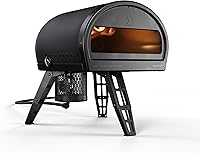
The Ooni Karu 2 is the best pick for most people because it runs on wood or charcoal and heats to 950 F in about 15 minutes. It's a 12 inch multi-fuel oven with a cordierite stone, a glass door and an integrated thermometer.
The extra-large fuel tray takes wood or charcoal for a traditional fire. You can also attach a gas burner, sold separately, for easier propane sessions.
That burner uses 36% less gas than previous models, so a long session costs less fuel. It weighs 15.3 kg and sits on a countertop at 29 inches deep by 16 wide by 28 high, so it suits a garden or a campsite.
If you'd rather run on gas from the start, compare a propane pizza oven for the same fast bake without tending logs. A pizza oven for grill is another route if you already own a grill and want to use it.
And if pellets appeal more than splits, read how pellet pizza ovens work before you choose.
So how do wood fired pizza ovens work in practice? You build a hot fire, wait for the stone to hit 750 to 800 F, then bake a 12 inch pie in about a minute with a turn or two.
Pick the Karu 2 for wood and charcoal flexibility, or a gas model if you want the same heat with less tending. Either way, the stone and the airflow do the hard work.
Frequently asked questions
Can you bake bread or roast in a wood-fired oven?
Yes, once the fire dies down the stone floor holds heat for a while. Bread and roasts work best after the pizza session, when the oven has settled to a lower, steadier temperature.
Pizza needs the roaring fire, so plan the bake order around that.
What wood works best in a pizza oven?
Dry hardwood such as oak or ash burns hot and leaves little sticky residue. Avoid resinous softwoods and treated or painted scrap, which smoke heavily and can coat the oven.
Small splits light faster and let you control the flame size.
How long does a wood-fired oven take to heat up?
Plan on 15 to 25 minutes for a portable oven and up to 45 minutes for a large brick dome. The floor is ready when it hits around 750 to 800 F, so the base cooks before the top scorches.
Do you close the door while cooking pizza?
No. A wood-fired pizza cooks with the door open or off so the flame and airflow stay live.
The door goes back on after the bake to trap leftover heat.
Some ovens have a glass door you can watch through, but it still stays open during the bake.
Can a wood-fired oven run on charcoal instead of wood?
Some multi-fuel ovens accept charcoal as well as wood, so you get steady heat without tending a log every few minutes. Charcoal suits longer sessions and wood gives the traditional flame and aroma.
Check the oven's fuel options before you buy.