Why Are Pizza Ovens So Expensive?
Pizza ovens cost more because they have to hold very high heat for a short, fierce bake. The parts that survive 700°F to 900°F, plus the stone, the fuel system and the outdoor shell, add up fast. Fuel type is the biggest price lever: wood and gas outdoor ovens cost more than countertop electric models.
On this page (8 sections)
- Why are pizza ovens so expensive compared with a regular oven?
- How much does fuel type change the price?
- What are you actually paying for in an outdoor pizza oven?
- Why do countertop electric pizza ovens cost what they do?
- Does size drive the price of a pizza oven?
- Do accessories and extras push the price up?
- Are expensive pizza ovens worth it for most people?
- How can you spend less on a pizza oven without losing quality?
Pizza ovens cost more because they must hold very high heat for a short, fierce bake. The stone, the fuel system, the insulation and the outdoor shell all have to survive temperatures that would wreck a normal kitchen appliance.
The rest of the price comes from how those parts are built and how the oven is fueled. Fuel type is the biggest lever.
A countertop electric model and a wood-fired outdoor oven both bake pizza, but they are built for very different jobs and very different budgets.
Why are pizza ovens so expensive compared with a regular oven?
A pizza oven is built around one hard job: reaching 700°F to 900°F and staying there. A home kitchen oven tops out lower and heats a much larger box slowly.
That difference in heat changes every material in the build.
The stone has to take a fast thermal shock without cracking. The door, the frame and the gasket must hold heat without warping.
The insulation has to keep that heat in so the oven recovers between pizzas. Each of those parts costs more when it is rated for high heat.
You also pay for speed. A pizza oven is designed to bake in a few minutes, not an hour.
That means a stronger burner or a bigger fire and a tighter cooking chamber. Our guide to how hot a pizza oven gets explains the temperature ranges in more detail.
How much does fuel type change the price?
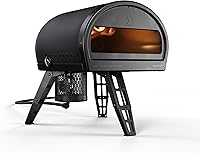
Fuel type is the single biggest price lever. Wood and gas outdoor ovens carry the highest cost because they need a firebox or burner, a chimney or vent, and a weatherproof shell.
Countertop electric ovens sit lower because they plug into a normal outlet.
Wood-fired ovens add cost through the shell and the chimney. Gas ovens add a burner, a regulator and a propane connection.
Pellet and charcoal models fall in between. Electric ovens skip the fuel hardware and the outdoor body, which is why many of them land in the budget tier.
The trade-off is flavor and setting. Wood and charcoal bring smoke and an outdoor cooking experience.
Electric brings convenience and an indoor countertop footprint. You pay for the one you want.
What are you actually paying for in an outdoor pizza oven?
In an outdoor oven, most of the money goes into the shell, the insulation and the fuel hardware. The cooking surface is only one part of the bill.
The body has to handle rain, sun and repeated heat cycles without rusting through.
The Pizzello 16 inch wood-fired shows how the parts stack up. It's a 2-layer oven with a 16-inch cooking surface, a removable center rack and vents in the door and body for airflow.
It runs on charcoal, wood or pellets. The box includes a 16-inch pizza stone, a peel, two grill grates and a waterproof cover.
That package explains part of the price. A stone, a peel and a cover bought separately add cost to any oven.
When they come in the box, the up-front price looks higher but covers more of what you need on day one. For tighter budgets, our list of the best budget pizza ovens shows what you can skip.
Why do countertop electric pizza ovens cost what they do?
Electric countertop ovens cost less because they skip the outdoor shell and the fuel system. You still pay for a high-heat element, a stone and a cooling system that makes indoor use safe.
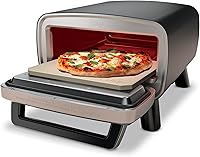
The Cuisinart indoor pizza oven is a good example of how those parts add up.
It bakes 12-inch pizzas and reaches 700°F. It heats from 350°F to 700°F in about 20 to 30 minutes.
A large viewing window and interior light let you watch the bake without opening the door. Cuisinart says it uses active cooling technology for indoor use.
The kit includes a 12.5-inch pizza stone, a deep-dish pan and a peel. That bundle is why an electric oven costs more than a plain countertop appliance but less than most outdoor models.
It also needs counter space, so measure before you buy. Our guide to the best small pizza ovens covers tighter kitchens.
Does size drive the price of a pizza oven?
Yes. Bigger cooking surfaces and multi-level ovens cost more to build and ship.
A 16-inch oven needs a larger stone, a wider body and more fuel to heat the extra space.
Shipping a bulky outdoor oven also adds to the sticker price.
The Pizzello's 16-inch size and 2-layer design are part of its cost. The removable center rack lets you cook a 16-inch pizza and grill steak, fish or vegetables at the same time.
Its maker says the lower level runs hotter than the upper one, so the stone belongs down there. That extra capacity is useful for a family or a party, but it costs more than a 12-inch model.
Smaller ovens cut both the build cost and the footprint. If you mostly bake one or two pizzas at a time, a compact model can do the same job for less.
Compare sizes in our roundup of the best small pizza ovens.
Do accessories and extras push the price up?
Accessories add real money, and they are easy to overlook. A stone, a peel, a cover and a thermometer are all part of the total cost of cooking pizza well.
Some ovens bundle them, and some don't.
A stone is the base of every bake. A peel moves the pizza in and out without burning your hands.
A cover protects an outdoor oven between uses. A thermometer tells you when the stone is ready.
The TempPro infrared thermometer is a low-cost add-on that helps you use any oven better. It reads surface temperature from a distance and covers -58°F to 1022°F.
Its distance-to-spot ratio is 12:1, and it adjusts emissivity from 0.1 to 1.0 to match the surface. That matters because oven dials often read air, not stone.
If your oven already includes a stone and a peel, the extra spend is smaller. Check the box contents before you buy accessories you may not need.
Our guide to how to cook pizza in a pizza oven covers the tools that matter most.
Are expensive pizza ovens worth it for most people?
For most home cooks, a mid-range oven is the better value. You don't need the most expensive model to bake a good pizza.
You need an oven that reaches the right stone temperature and a stone that holds heat.
Spend more when you want an outdoor setting, smoke flavor or a large cooking surface. Spend less when convenience, counter space and budget matter more.
The right answer depends on how often you bake and where the oven will live.
Fuel type, size and included accessories decide most of the price. A budget pizza oven can bake well if it gets hot enough.
A premium outdoor oven earns its price through its shell, its fuel system and its capacity, not through a magic heating trick.
How can you spend less on a pizza oven without losing quality?
Pick the fuel type and size you'll actually use, then buy only the accessories you need. That one decision removes more from the price than any discount.
An electric countertop oven suits small kitchens and quick weeknight bakes.
A wood or gas outdoor oven suits backyard cooking and larger gatherings.
If you want smoke flavor without the full outdoor build, look at pellet or charcoal models in the mid-range. If you want convenience, a countertop electric oven with a bundled stone and peel is the cheaper route.
Our roundup of the best budget pizza ovens lists the models that keep the price down without cutting the heat.
The question of why pizza ovens are so expensive comes down to heat, fuel and build. Pay for the parts that fit how you cook, and skip the ones that don't.
That is how you get a pizza oven that earns its price.
Frequently asked questions
Is a more expensive pizza oven always better?
No. Price tracks size, fuel type and the outdoor shell more than it tracks pizza quality.
A mid-range oven that reaches the right stone temperature can bake as well as a premium one.
Match the oven to your space and fuel before you pay more.
How much does it cost to run a pizza oven?
A countertop electric oven draws household power for short bakes, so the cost per pizza is small. Wood and charcoal ovens need a steady supply of fuel, and gas ovens use a propane tank.
Running cost is usually lower than the purchase price gap suggests.
Can a cheap pizza oven get hot enough for Neapolitan-style pizza?
Many budget ovens reach 700°F or more, which is enough for a fast, crisp bake. True Neapolitan style wants closer to 900°F on the stone.
Check the stated temperature range rather than assuming a low price means low heat.
Do I need a separate thermometer for a pizza oven?
An infrared thermometer helps because oven dials and gauges often read the air, not the stone. A quick surface reading tells you when the stone is ready.
It also helps you avoid launching a pizza onto a cold stone.
Is a wood-fired oven cheaper to run than an electric one?
Not always. Wood and charcoal cost money per bake and take time to light.
Electricity is convenient and steady.
Compare your local fuel prices and how often you plan to bake before you decide which is cheaper for you.