What Are Pizza Ovens Made Of?
A pizza oven is built from a cooking stone (usually cordierite), a steel or cast-iron shell, and dense insulation around a gas, wood, or electric heat source. Those three layers decide how hot it gets and how fast it recovers between pies.
On this page (8 sections)
- What are the main parts of a pizza oven made of?
- Why is the cooking floor usually cordierite?
- What is the outer shell made from?
- How does insulation change how an oven cooks?
- What materials sit in the burner or heating element?
- Which model shows each material choice in practice?
- Does the material change how a pizza bakes?
- What should you check before buying?
A pizza oven is built from a cooking stone (usually cordierite), a steel or cast-iron shell, and dense insulation around a gas, wood, or electric heat source. Those three layers decide how hot it gets and how fast it recovers between pies.
The same question, what are pizza ovens made of, turns up very different answers depending on whether you look at a portable gas oven, a brick dome, or a countertop electric unit. Here is what each material does and why it matters when you buy.
What are the main parts of a pizza oven made of?
Every pizza oven has four material jobs: a stone floor to bake the base, an insulated chamber to hold heat, a metal or masonry shell to contain it, and a burner, firebox, or heating element to supply it. The construction quality of each layer sets the top temperature and how evenly the deck cooks.
The floor takes the most heat and does the most work. It sits directly over the flame or element and transfers heat into dough within seconds.
Around it, the dome or box walls are lined with ceramic fiber, firebrick, or another refractory material so the chamber doesn't bleed heat into the air. The outer shell is usually metal on portable ovens and masonry on fixed ones.
Fuel hardware finishes the list: a gas burner and regulator, a wood grate and ash tray, or a heating element with a thermostat. Materials in all four jobs need to handle repeated heating and cooling without cracking.
Why is the cooking floor usually cordierite?
Cordierite is a ceramic that absorbs and releases heat quickly without warping, which is why most pizza ovens use it for the deck. It heats up fast, holds its shape through cycles, and doesn't scorch a crust the way bare metal would.
The texture matters too. A porous cordierite surface pulls a little moisture from the dough and helps the base crisp instead of steaming.
That is the same reason home cooks buy standalone cordierite stones for a regular oven. In a purpose-built pizza oven the stone is thicker and set into the floor plate, so it takes direct flame or radiant heat rather than oven air.
Not every floor is cordierite. Wood-fired brick ovens use firebrick, which is heavier and slower to heat but keeps heat for hours.
Some premium ovens use refractory cement or a composite biscotto floor for high-heat cooking.
Cordierite wins on portability because it's lighter and cheaper to replace if a stone cracks.
What is the outer shell made from?
The shell is steel or cast iron on most portable ovens, with stainless steel on premium models and brick or stone on fixed wood-fired builds. The shell holds the shape, protects insulation, and gives the oven its look.
Alloy steel with a powder coat is the budget choice and shows up on the HALO Versa 16, which uses an alloy steel body with a brushed finish and a side-swing door. Stainless steel resists rust better in damp air, which matters if the oven lives on a patio near the coast.
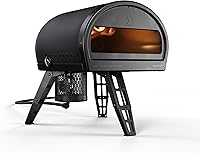
Cast iron shows up mostly as burner parts and grill grates. The Gozney Roccbox pairs a stainless steel and cast iron exterior with a stone interior, and Gozney says its dense insulation reaches 950°F.
On a fixed brick oven, the shell is the masonry itself, sometimes with a stucco or tile finish.
How does insulation change how an oven cooks?
Dense insulation is what lets a small oven hit 900°F and stay there between pizzas. Without it, heat escapes through the walls and you spend more time waiting than cooking.
Insulation shows up in two places. The chamber lining sits behind the cooking surface and reflects heat back onto the pie, while the outer blanket of ceramic fiber or rock wool stops heat leaving the shell.
Thick insulation also keeps the outside cooler to the touch, which is a safety point on a patio.
This is why materials in a pizza oven matter for back-to-back bakes. A well-insulated floor recovers heat after each pie, so the second pizza browns like the first.
The trade-off is weight. On a small pizza oven for a balcony or campsite, lighter insulation and a thinner floor keep the weight down, and portability wins over heat retention.
What materials sit in the burner or heating element?
The fuel hardware is gas burners, wood grates, or electric elements, and each uses heat-resistant metals. A gas system runs on a steel burner tube with brass and aluminum fittings, plus a regulator and hose.
The HALO Versa 16 shows how the burner shapes the build. It runs a dual-burner system rated at 21,100 BTUs, with a U-shaped convection burner and an infrared burner behind a motorized 16-inch cordierite stone that turns 360 degrees.
That rotary stone plus the burner layout is why HALO says it cooks a pizza in about 5 minutes from a 750°F stone.
Wood ovens use a cast iron or steel grate, a firebrick floor, and an ash drawer, plus a chimney to pull smoke away. Electric ovens trade the flame for a metal-sheathed element and a thermostat.
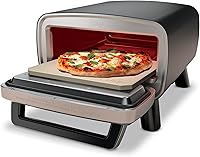
The Ninja Artisan MO201 covers that case: it's a corded electric unit with a 12x12 inch stone and a 90–700°F range, and no live flame anywhere.
Which model shows each material choice in practice?
The best way to see what pizza ovens are made of is to read three very different builds side by side. One is a rotating gas oven, one is a portable high-heat gas oven with an optional wood burner, and one is a countertop electric unit.
HALO Versa 16
The HALO Versa 16 combines an alloy steel body, a U-shaped convection burner, and an infrared burner under a rotating cordierite floor. HALO says its 21,100 BTU system takes the stone to 750°F in about 12 minutes.
It's the pick if you want hands-free rotating-stone cooking and can move a 43.5 lb oven.
Gozney Roccbox
The Gozney Roccbox builds its heat retention from a stone interior wrapped in stainless steel and cast iron, with dense insulation behind it. It runs on gas and takes an optional wood burner for flame flavor, and Gozney says it reaches 950°F with a 60-second bake.
Its 48.5 lb weight and folding legs suit a patio that changes by the season.
Ninja Artisan MO201
The Ninja Artisan MO201 shows what changes when no fire is involved. It's a metal exterior with a dropdown door and view window, an electric element, and a 12x12 inch pizza stone, capping at 700°F with 5 pizza presets.
It's the choice for a porch or garage where an open flame isn't an option.
Does the material change how a pizza bakes?
Yes. Stone bakes the base, the chamber walls color the crust, and the fuel sets the top heat.
A cordierite and steel gas oven leans on quick floor heat for a crisp bottom, while a wood oven adds moving flame over the dome for spotting. Stone floors dry the base from below, which favors thin-crust and Neapolitan styles cooked fast at high heat.
A slower New York bake wants steady floor heat without scorching, which a thicker floor or a thermostat-controlled element handles better. The top of the pie depends on the chamber: an open flame or an element near the ceiling browns cheese and crust quickly, while a dome sitting further up changes how much radiant heat reaches the toppings.
If you want a firm grip on temperatures, read how hot does a pizza oven get before you settle on fuel.
What should you check before buying?
Match the materials to where and how you'll cook. A portable steel and gas oven with a cordierite stone is the practical choice for a patio or tailgate.
A brick dome earns its keep when you bake often and have a fixed spot.
Here is how to weigh the choices.
- Weight: alloy steel and a thin stone keep the oven light enough to lift; cast iron and brick don't.
- Fuel: gas is controllable, wood adds flavor, and electric is flame-free.
- Finishing: stainless steel handles weather better than a painted finish.
- Floor: cordierite recovers fast and is cheap to replace; firebrick holds heat longer.
- Placement: most gas and wood ovens are outdoor only, but a countertop electric model can sit on a covered porch.
If price is the limiter, a budget pizza oven with an alloy steel body and a cordierite stone covers most home bakes. When it's time to cook, our guide to how to cook pizza in a pizza oven walks through preheating and turning.
For the short version on what are pizza ovens made of: buy for the floor and the insulation first, and the outer finish last.
Frequently asked questions
Is cordierite the same as a pizza stone?
Cordierite is the mineral blend most pizza oven floors are made from, and a standalone pizza stone usually uses the same or a similar ceramic. The oven floor is thicker and sits fixed over the burner, while a stone you buy for the kitchen is removable.
Can a pizza oven have a wooden exterior?
A few decorative covers and carts use wood, but the cooking chamber itself needs a fireproof lining such as brick, refractory cement, or steel. Wood close to a hot chamber is a fire risk, so it only shows up on the outside shell or a stand.
Do electric pizza ovens use a different stone?
They often use cordierite too, but with a heating element above and below rather than a flame. The Ninja Artisan MO201 ships with a 12x12 inch stone and caps at 700F, so the element layout matters more than the stone type there.
What makes a pizza oven safe to use outdoors?
Steel shells, ceramic insulation, and a chimney that carries smoke and gas up and away from the cooking deck. Gas and wood ovens are outdoor appliances, while most countertop electric models like the Ninja Artisan are rated for outside use.
Does the outer material affect how long an oven lasts?
It does. Stainless steel resists rust better than painted alloy steel in damp coastal air, and cast iron holds heat well but is heavy.
Powder-coated finishes need more care to avoid chips, especially where the oven gets moved often.