How Much Does an Outdoor Pizza Oven Cost?
Most outdoor pizza ovens land in three broad price tiers: budget pellet and multi-fuel ovens, mid-range portable gas ovens, and premium brand-name ovens. The oven is only part of the cost, since fuel, a table, and a thermometer add to the total.
On this page (8 sections)
- What are the main price tiers for an outdoor pizza oven?
- What does a budget outdoor pizza oven get you?
- Why do mid-range ovens cost more than budget ones?
- How much does fuel add to the running cost?
- Do you need a table and thermometer on top of the oven cost?
- Is a propane oven worth the extra cost over pellets?
- What hidden costs should you plan for?
- How should you decide what to spend?
How much does an outdoor pizza oven cost? Most backyard pizza ovens fall into three broad price tiers: budget pellet and multi-fuel ovens, mid-range portable gas ovens, and premium brand-name ovens.
The oven is only part of the total, because fuel, a stable table, and a way to read stone temperature all add to what you spend.
Prices vary widely within each tier. Two ovens that both reach pizza heat in about a minute can still differ a lot in build, insulation, and how many fuels they accept.
This guide breaks down what you actually pay for at each level so you can pick the tier that fits your yard and your cooking habits.
What are the main price tiers for an outdoor pizza oven?
There are three tiers: budget multi-fuel ovens, mid-range portable gas ovens, and premium brand ovens. Most first-time buyers land in the first two, because the jump to premium usually buys insulation and brand engineering rather than a faster bake.
The budget tier covers small pellet ovens and multi-fuel models that accept an add-on gas or electric burner. They reach high heat but often need a little more attention to keep an even bake.
The mid-range tier adds portability and thicker stone floors. Premium ovens push heat retention and brand support further still.
Your tier should follow how often you cook. A family that fires the oven twice a week gets more value from better insulation than someone who pulls it out for a party a few times a year.
That single choice moves the price more than any accessory. It also decides how much of the budget goes to the oven itself versus the fuel it burns each session.
What does a budget outdoor pizza oven get you?
A budget oven gets you real pizza heat in a compact, lightweight shell. You trade some insulation and convenience for a lower entry point, and you usually supply your own fuel on top.
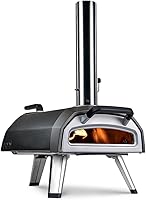
The Big Horn 12 inch is the clearest example of the tier. It's a 3-in-1 multi-fuel oven: pellets for wood-fired flavor, or a gas or electric burner if you buy that separately.
It reaches up to 1,110°F and cooks a pizza in 60 to 90 seconds once it's hot. Preheat takes 18 to 20 minutes, and the oven weighs just 25 lb with folding legs for storage.
That makes it an easy first oven for a small backyard or a tailgate.
The trade-off is attention. You slide the pizza in and turn it often, and light toppings work best so the crust cooks before the sauce dries.
The square stone measures 12 x 12 inches, so plan on 12-inch pizzas. If you want the lowest possible total cost, a budget pellet oven plus a bag of hardwood pellets is the route to take.
The oven is freestanding and built from stainless steel that Big Horn says handles rain or shine all year.
Why do mid-range ovens cost more than budget ones?
Mid-range ovens cost more because they hold heat better and start faster. Thicker stone floors and denser insulation mean less fuel wasted bringing the oven back up between pizzas.
The Gozney Roccbox sits here. Gozney says its thick stone floor and dense insulation let it hit 950°F and cook a 12-inch pizza in 60 seconds.
It runs on gas out of the box, and Gozney offers an optional wood burner for wood-fired flavor. It's freestanding, needs no assembly beyond unfolding the retractable legs and clicking on the burner, and weighs about 48 lb.
That weight is the trade-off against the budget tier, but it also signals the heavier build.
This tier suits someone who cooks often enough to notice the faster recovery. You get steadier heat and less babysitting.
You also get a bigger footprint and a heavier lift when you move it. The build mix tells the story: stone on the interior, stainless steel and cast iron outside, with a matte finish and a front-facing door.
Gozney also cites a patented rolling wood flame that recreates the yellow flames of traditional wood-fired cooking.
How much does fuel add to the running cost?
Fuel is a small but recurring cost, and the type changes how much you spend and how much work you do. Pellets cost by the bag, propane by the bottle, and electricity by the meter.
Pellet cooking is the cheapest fuel to buy in bulk. You only use all-natural hardwood pellets in the Big Horn, and you store them in an airtight container so moisture doesn't spoil the burn.
Gas ovens like the Roccbox run on bottled propane, which costs more per session but starts faster and holds a steady flame.
Electric burners avoid fuel storage entirely but draw from the outlet. Whichever fuel you choose, the per-pizza cost stays well under delivery prices for a family.
Our guide to the outdoor pizza oven covers fuel choices in more detail. One point to note on multi-fuel ovens: the gas burner and electric element are separate purchases, so the fuel you plan to use most should guide what you buy first.
Do you need a table and thermometer on top of the oven cost?
Yes, budget for both. A stable table protects the oven and a thermometer tells you when the stone is actually hot.
Neither is expensive compared with the oven, but skipping them costs you in failed bakes.
Most ovens run hot enough to scorch a wooden picnic table, so a heat-safe surface matters. Our roundup of the best tables for outdoor pizza ovens covers stands built for the job.
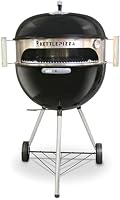
If you already own a grill, a pizza oven for grill can also change what you need to buy.
What should the thermometer measure?
A thermometer is the cheapest upgrade with the biggest effect. The TempPro TempScan reads surfaces from -58°F to 1,022°F with +/-1.5% accuracy, a 12:1 distance-to-spot ratio, and a response time under 500 ms.
It shows max, min, and average readings from the last scan and shuts off after 90 seconds idle. Aim it at the stone before the first pizza instead of trusting a guess.
The Big Horn has no built-in thermometer. Big Horn says built-in gauges are not precise enough, so an infrared gun is the practical way to read stone heat.
Is a propane oven worth the extra cost over pellets?
A propane oven is worth it if you want fast startups and steady heat without tending a fire. Pellets win on fuel cost and flavor; propane wins on convenience.
The Roccbox is the gas-first pick, and its click-on burner means you can be cooking in minutes rather than waiting on a pellet fire. That matters on a weeknight when you want one pizza and no fuss.
For buyers weighing the two, our roundup of propane pizza ovens compares the options.
Pellet ovens like the Big Horn suit people who enjoy the process and want wood-fired flavor. Gas suits people who want repeatable heat and less fuel handling.
Neither is cheaper overall; each trades money against time. If you cook for a crowd, the steady flame of a gas oven also means less downtime between pizzas.
What hidden costs should you plan for?
The hidden costs are fuel storage, cleaning supplies, and a safe place to put the oven. None is large, but each affects how often you actually use the oven.
Pellet users need an airtight container so pellets don't absorb moisture. Gas users need a safe spot for the propane bottle away from heat.
Both need a peel for loading and turning pizza, and a cover if the oven stays outside.
The Big Horn's stainless shell is built to handle rain and shine, according to Big Horn. Still, a cover extends its life and keeps the stone clean.
Its parts come apart for easy cleaning and storage, which keeps the routine simple. Factor these small extras into your budget so the first pizza night doesn't send you back to the store.
A cast iron pan is another small buy worth noting: Big Horn suggests one for cooking meats and vegetables without staining the pizza stone.
How should you decide what to spend?
Start with how often you will cook, then pick the tier that matches. Spend on insulation and a stone floor first; add fuel flexibility later if you want it.
If you cook a few times a month, a budget pellet oven like the Big Horn keeps the total low. If pizza night is a weekly habit, the faster, steadier Roccbox earns its extra cost.
Either way, add a thermometer before anything else.
Once you know your tier, read the outdoor pizza oven buying guide to match size and fuel to your yard. The running cost of an outdoor pizza oven stays modest as long as you buy fuel in bulk and store it well.
Pick the tier for your habits, buy the thermometer first, and let the accessories wait until you know how often the oven gets used.
Frequently asked questions
What is the cheapest way to start cooking pizza outdoors?
A budget pellet oven plus a bag of hardwood pellets is the lowest-cost route. You skip the separate gas or electric burner, which is sold as an add-on on multi-fuel models.
Check the oven's preheat time so you know what a session costs in fuel.
Do I need a gas burner as well as pellets?
No. Pellet-only cooking works fine for Neapolitan-style pizza.
A gas burner buys you faster startup and easier heat control, but it is an extra purchase and it changes the running cost to bottled propane.
How much does it cost to run an outdoor pizza oven per session?
A pellet session burns a modest amount of hardwood pellets, so the per-pizza fuel cost stays low. A propane oven burns bottled gas each time.
Either way, one session rarely costs much compared with delivery pizza for a family.
Why does the same oven type vary so much in price?
Price tracks materials, insulation, and brand. A thick stone floor and dense insulation hold heat better and usually cost more.
Stainless steel shells, portability features like folding legs, and dual-fuel options also move the price up.
What should I buy first if I am on a tight budget?
Buy the oven first and add a thermometer so you can read the stone temperature. A sturdy table comes next.
Skip extra burners and accessories until you know how often you will cook.