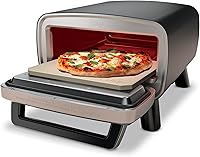
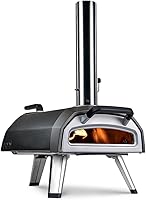
How to Cook Pizza in an Ooni Oven
To cook pizza in an Ooni oven, preheat the stone until it reads about 850–950°F, slide a floured dough onto the stone with a peel, and turn it every 15–20 seconds. A thin, room-temperature dough bakes in roughly 60 seconds.
On this page (9 sections)
- What do you need before you cook pizza in an Ooni oven?
- How hot should the stone be, and how do you check it?
- How do you shape and top the dough for a fast bake?
- How do you launch the pizza into the oven?
- How often should you turn the pizza while it cooks?
- How do you clean the stone between pizzas?
- How do you cook more than one pizza without losing heat?
- What goes wrong most often, and how do you fix it?
- The bottom line on cooking pizza in an Ooni oven
To cook pizza in an Ooni oven, heat the stone to about 850–950°F, build a thin pie on a floured peel, and launch it onto the stone. Turn it every 15–20 seconds and pull it in roughly 60 seconds.
That short window is the whole point of an Ooni. The oven runs hot and fast, so the dough needs to be ready before the stone is.
This guide walks through the setup, the launch, the turn and the cleanup so your first pie comes out crisp instead of charred.
What do you need before you cook pizza in an Ooni oven?
You need a lit oven, a fully heated stone, dough at room temperature, and a floured peel. A thermometer and a cleaning brush make the job easier but aren't essential on day one.
Let the oven run at full heat for 15 to 20 minutes. The flame heats the stone from below, and the stone surface is what actually cooks the base.
A cold or patchy stone gives you a pale, floppy center.
Take the dough out of the fridge at least an hour before cooking. Cold dough springs back and tears when you stretch it.
A warm dough stretches thinner and launches more cleanly.
Set out your toppings within arm's reach. Once the oven is ready, you want to build and launch fast, before the dough softens on the peel.
Have a landing spot ready too. A board or wire rack beside the oven means you can set the hot pie down the second it comes out, so the base doesn't steam against a solid surface while you hunt for a plate.
How hot should the stone be, and how do you check it?
Aim for about 850–950°F on the stone surface before the first launch. That's the range where a thin base sets in seconds and the top catches color without burning.
An infrared thermometer aimed at the middle of the stone reads the surface in an instant. The Ooni digital infrared thermometer is calibrated for the cordierite stones used in Ooni ovens, and its display updates in under 300 milliseconds.
The thermometer reads to within 4°F and resolves down to 0.1°F or 0.1°C, so small differences between the front and back of the stone show up clearly. An adjustable emissivity setting lets you read steel and other finishes as well as the stone.
Check a few spots, since the back of the stone usually runs hotter than the front. That difference is useful.
Launch toward the cooler end and rotate as you go.
A Temperature Scan Mode also reports the minimum, maximum and average surface temperature across an area, which is a quick way to see whether the whole stone is evenly hot or only part of it.
If your oven has a dial, follow its heat setting, but trust the stone reading more. The air can feel hot while the stone is still warming up.
How do you shape and top the dough for a fast bake?
Shape a thin, even base about 10–12 inches across, then top it lightly. A fast oven punishes thick dough and heavy, wet toppings.
Press the dough from the center out, leaving a slightly thicker rim. Don't roll it flat or the edge won't puff.
If it fights back, let it rest for a few minutes and try again.
Spread a thin layer of sauce and scatter cheese loosely rather than piling it on. Wet toppings like fresh mozzarella or watery vegetables should be drained and used sparingly.
Too much weight stops the base from setting quickly.
Build the pie directly on the peel, not on the counter. Moving a topped pizza is the step where most launches go wrong.
Why does the peel matter so much?
The peel is the tool that carries the dough into the oven and brings it back out. A floured, smooth peel lets the dough slide as one piece instead of snagging.
The Ooni 12 inch metal peel has a smooth aluminium surface and a long handle that keeps your hands back from the heat. At 530 g it's light enough to turn and retrieve pies without a struggle.
The handle is made from glass reinforced nylon, which Ooni says is more heat resistant than most other handle materials on the market. The peel measures about 11.81 inches wide with a 25.98 inch handle, so there's a real gap between your grip and the flame.
Sprinkle flour or semolina on the peel just before you place the dough. A little goes a long way.
Excess flour scorches on the stone and leaves bitter patches.
The peel is hand wash only, so clean and dry it after the cook rather than leaving it out. A dry peel slides dough better than a damp one.
How do you launch the pizza into the oven?
Launch with a confident forward push and a short backward pull so the dough slides off the peel onto the stone. Hesitation is what causes folds and stuck pies.
Hold the peel level and slide the front edge over the stone. Tilt slightly and let the dough begin to move.
When the front edge catches the stone, pull the peel back so the rest follows.
Work quickly. Every second the topped dough sits on the peel, it gets warmer and stickier.
If it does stick, lift the edge and dust a little more flour underneath rather than shoving it.
How often should you turn the pizza while it cooks?
Turn the pie every 15–20 seconds, using the peel to rotate it a quarter turn each time. The back of the oven runs hottest, so an unturned pizza chars on one side while the other stays pale.
Keep the oven door or mouth clear and watch the crust. You'll see the rim puff and the cheese bubble within the first 20 seconds.
That's your cue to rotate.
The long handle on the 12 inch peel helps here. You can reach in, lift an edge and spin the pie without leaning into the heat, which makes the quarter turns quick and repeatable.
For thin dough at full heat, the whole bake takes about 60 seconds. If your stone is running cooler, expect closer to 90 seconds.
For a fuller breakdown by oven type, see how long to cook pizza in pizza oven.
Pull the pie when the base is crisp and spotted and the rim is browned. Lift it with the peel and set it on a board or rack.
How do you clean the stone between pizzas?
Brush off loose flour and ash with a stiff brush once the pie comes out. A clean stone cooks the next base evenly and stops burnt bits from smoking.
The Ooni wire brush and scraper has stainless steel bristles on one side and a tough scraper on the other. Its shape reaches the corners of the stone in Ooni ovens.
The bamboo handle has a hang hole so it stores out of the way.
The semi-flexible stainless steel bristles lift ash, debris and excess flour, and the scraper side handles tough spills and burnt-on marks. At 8.8 ounces with a 20 inch handle, it reaches the stone without putting your hand near the flame.
Scrape gently and let the stone cool completely before any deeper cleaning. Don't plunge a hot stone into water or it can crack.
The brush itself wipes clean, and the hang hole lets you store it on a hook or an Ooni table hook between cooks.
Give the stone two or three minutes to recover after cleaning before launching the next pizza. That short wait keeps the base crisp instead of chewy.
How do you cook more than one pizza without losing heat?
Cook pies back to back but pause briefly between each so the stone returns to temperature. Opening the oven for long stretches drops the heat and slows the next bake.
Keep your dough balls covered and your toppings organized so each pie goes in fast. Build the next one while the current one cooks only if you can watch both.
If you're feeding a crowd, consider a smaller small pizza oven for a second station, or pick from budget pizza oven options to run two at once. Compare makers in our guide to pizza oven brands if you're still choosing an oven.
Rest each finished pie on a rack for a moment before slicing so the base stays crisp rather than steaming on the board.
What goes wrong most often, and how do you fix it?
The most common problem is dough that sticks to the peel or burns before the center sets. Both usually come from too much topping or a peel that sat topped too long.
If the base burns before the center cooks, your stone is too hot for that dough. Lower the heat slightly or launch toward the cooler end.
A thicker dough needs a little more time and less stone heat.
A pale, soft center means the stone wasn't hot enough. Let it heat longer and check the surface before launching.
Loose flour left on the stone smokes and leaves a bitter taste. Brush the stone between pies and dust the peel lightly rather than generously.
The bottom line on cooking pizza in an Ooni oven
Learning how to cook pizza in an Ooni oven comes down to heat the stone, keep the dough thin and warm, and turn fast. Check the stone with a thermometer, launch confidently, and rotate every 15–20 seconds.
Start with a simple margherita to learn your oven's hot spots before adding heavy toppings. Keep the peel floured and the stone brushed, and each pie gets easier than the last.
Frequently asked questions
How long does a pizza take to cook in an Ooni oven?
About 60 seconds at full heat for a thin, room-temperature dough. Thicker dough or a pie loaded with wet toppings takes longer, so watch the crust color and turn it often.
What temperature should the pizza stone be in an Ooni?
Aim for roughly 850–950°F on the stone surface before you launch. An infrared thermometer aimed at the middle of the stone gives the fastest, most accurate read.
Should I use flour or semolina on the peel?
Either works. A light dusting of flour or semolina keeps the dough sliding, but use a little rather than a lot, because extra flour burns on the hot stone.
Why did my pizza stick to the peel?
The dough warmed up and got tacky, or the peel sat topped for too long. Build the pie quickly on a floured peel and launch it right away.
Can I cook more than one pizza in an Ooni oven?
Yes. Let the stone recover for a couple of minutes between pies, brushing off loose flour and ash so the next base starts on a clean surface.